(01)USC / Electrical & Computer Engineering2025—Now

I engineer
musical hardware.

Working audio devices developed end to end—from the first circuit and line of firmware to the final solder joint, interface, and enclosure.

10Effects in one digital chain
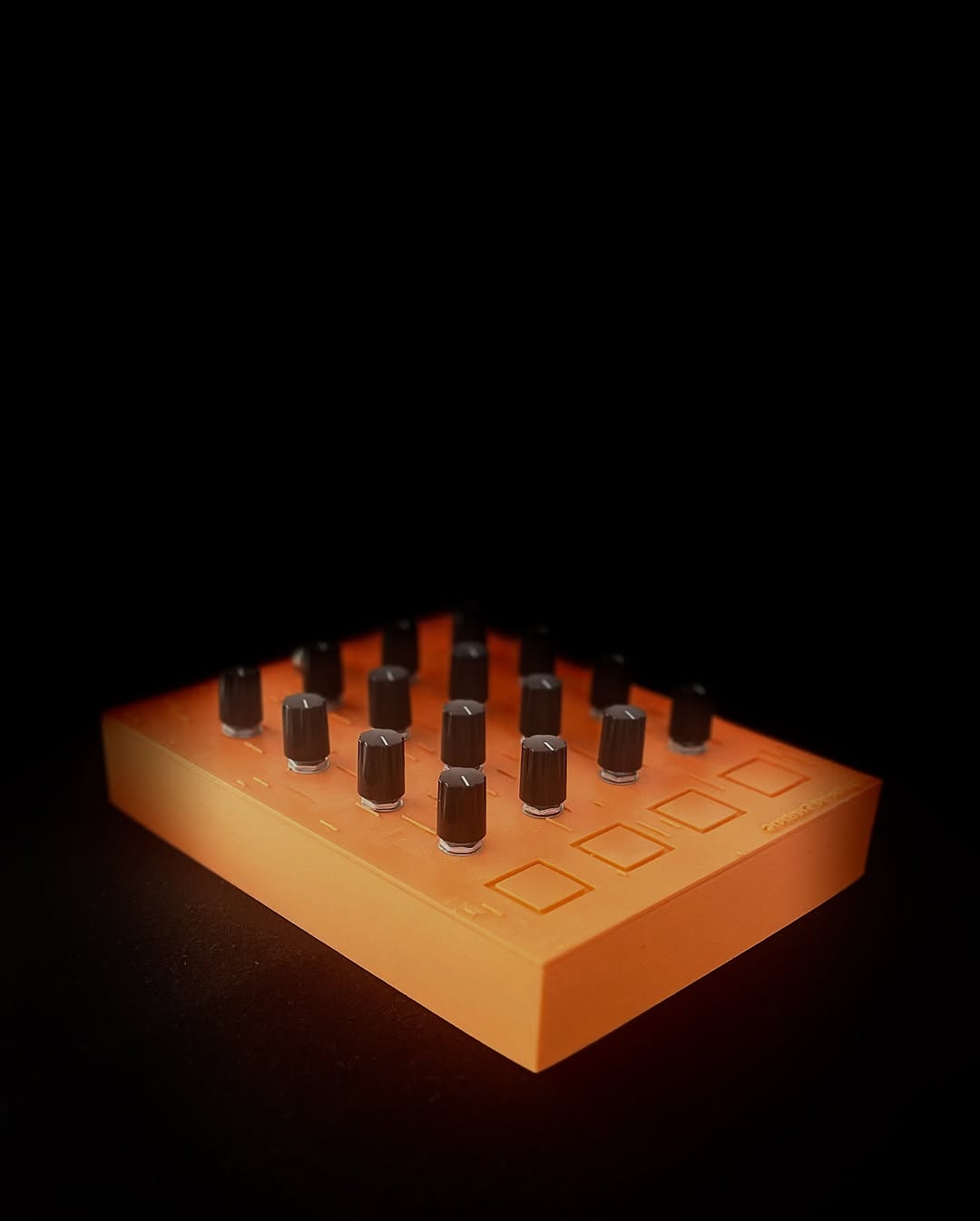
64MIDI CC controls from 16 knobs
100%Independent execution
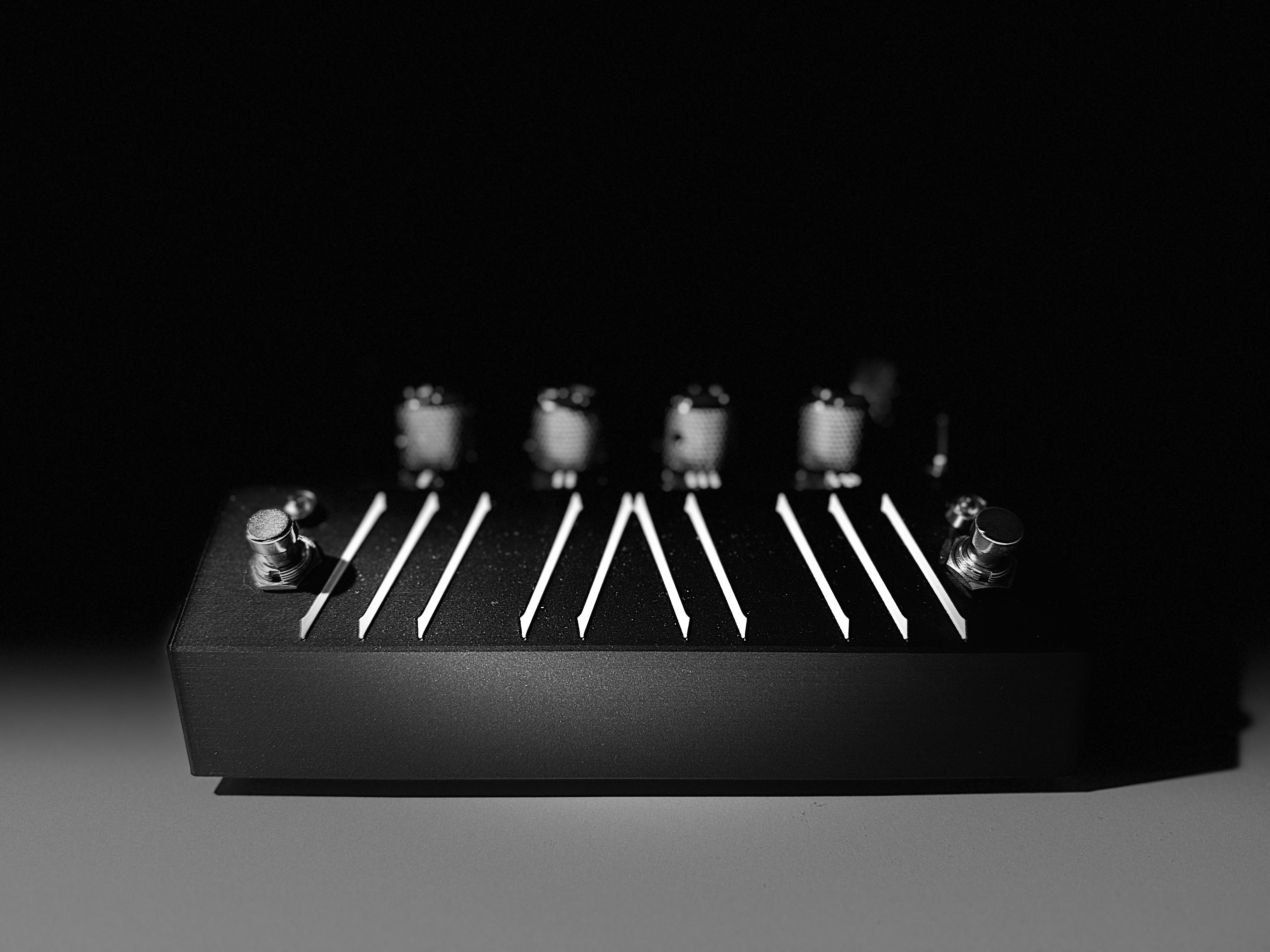
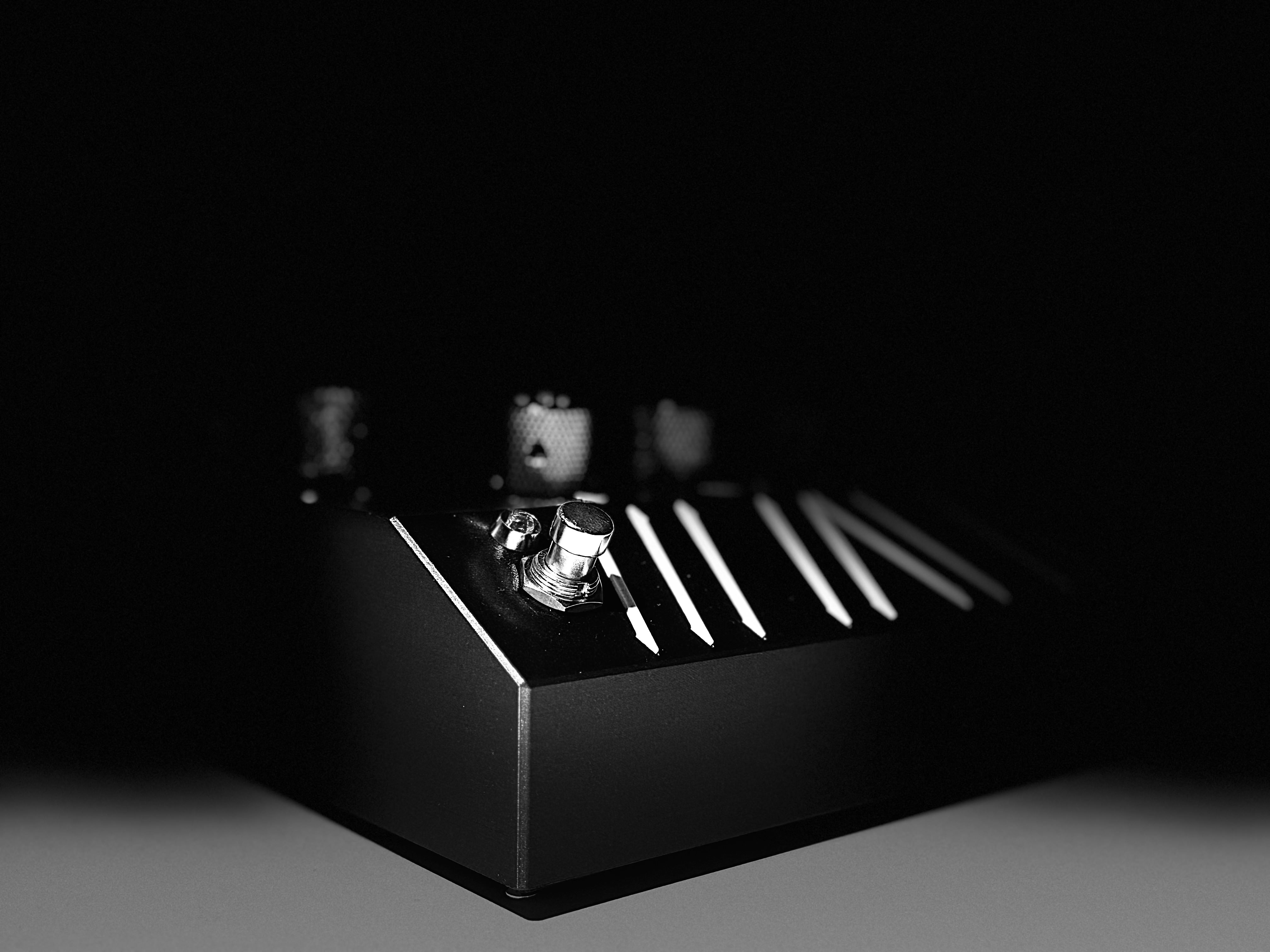
BonesFX digital guitar effects processor, viewed from the front
BonesFX Digital multi-effects processor / latest build

(02)Independent practice

Not class exercises. Complete instruments built to be used.

Artyom Petrosyan / ECE

Since January 2025, I have been designing and building musical electronics independently alongside my Electrical and Computer Engineering studies at the University of Southern California. Each device begins as a functional idea and ends as a physical, playable system.

I own the full development loop: electronic architecture, embedded code, audio behavior, interaction design, 3D-printed or metal enclosure, visual identity, soldering, assembly, and bring-up. The goal is product-level coherence—hardware that feels intentional before it is ever switched on, and proves itself when it is.

(04)Selected work

One practice, three domains.

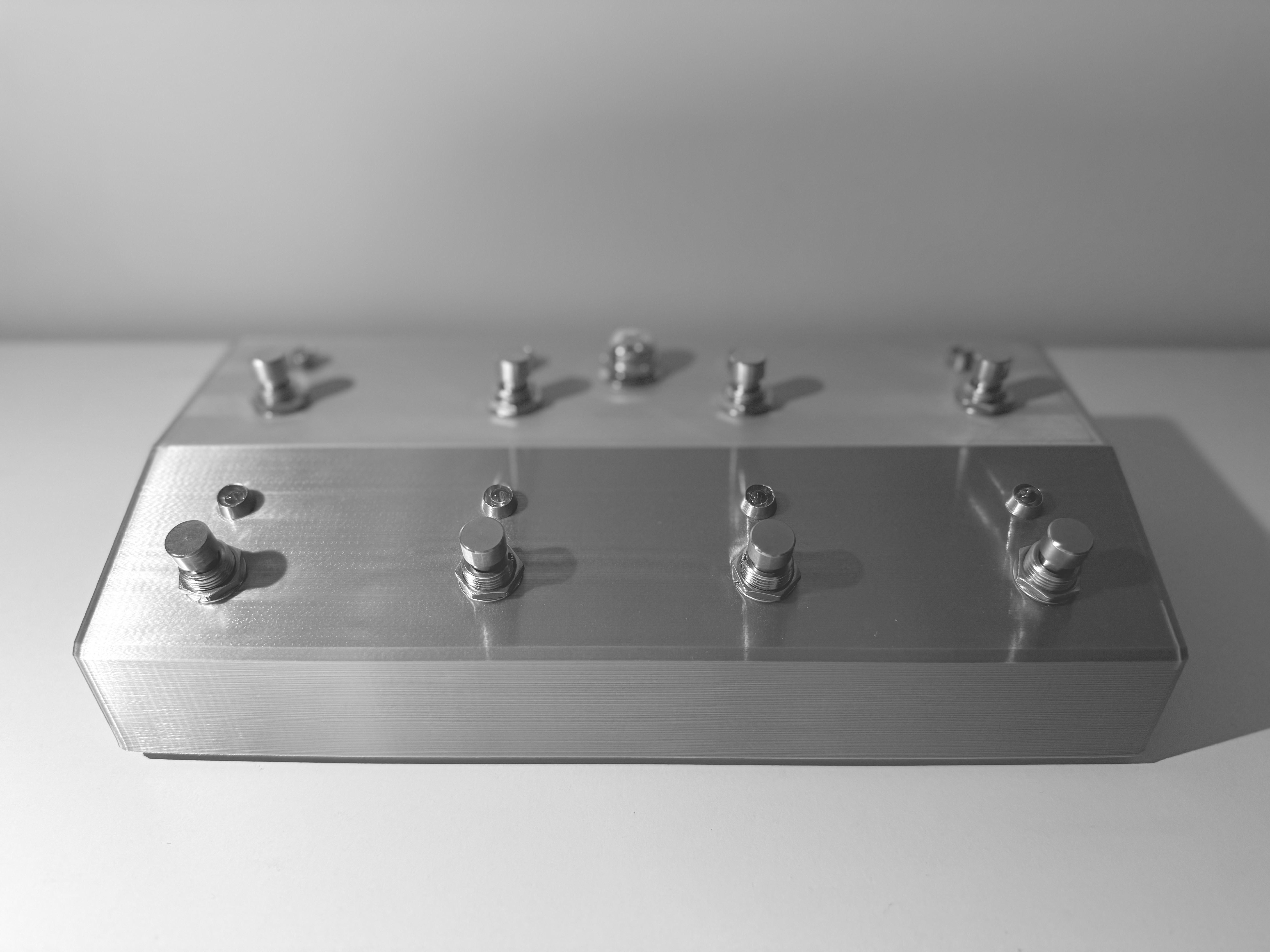
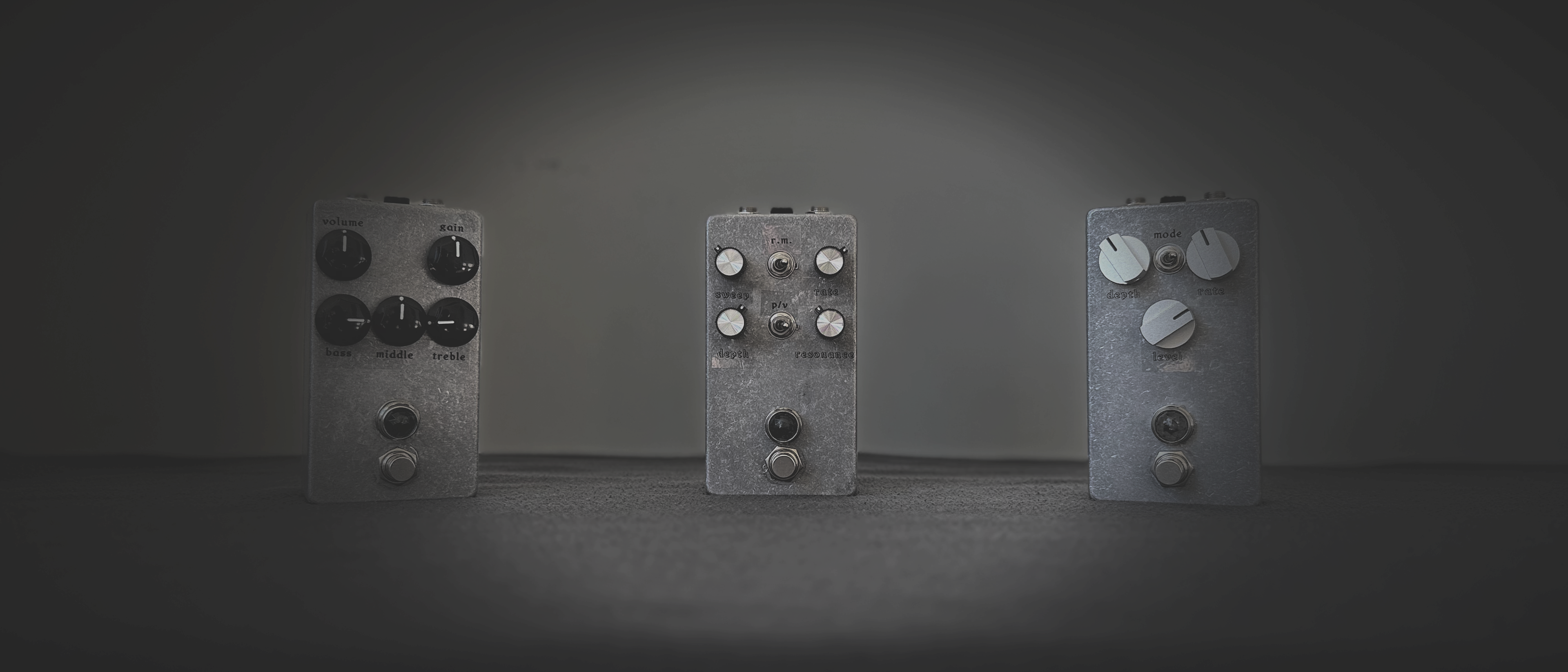
The builds move between embedded control, analog signal processing, and physical product design. Each one is a working device, not a render or a breadboard left unfinished.

(05)Process

Every layer, one pair of hands.

Owning the complete build means decisions are made as a system. Control count affects firmware architecture; connector placement affects the PCB and enclosure; visual language has to survive fabrication and real use.

  1. 01

    Define the instrument

    Translate a musical use case into signal flow, control behavior, I/O, power, and update requirements.

  2. 02

    Develop the electronics

    Prototype the audio and control paths, choose the platform and components, and resolve the system architecture.

  3. 03

    Write firmware & UI

    Implement audio behavior, MIDI logic, bank switching, display interaction, and physical control mapping.

  4. 04

    Design the enclosure

    Turn component clearances and ergonomics into a printable or metal housing with a distinct visual identity.

  5. 05

    Fabricate & assemble

    3D print or prepare the enclosure, solder the electronics, mount hardware, route wiring, and finish the device.

  6. 06

    Bring up & iterate

    Exercise the complete system as an instrument, then revise the interaction, audio response, and construction.

(06)Engineering range

Across the stack.

The work connects ECE fundamentals to the constraints of real musical products: latency, tactile access, stage operation, electrical integration, and a form worth putting on a pedalboard.

Embedded audio

DSP platforms

  • Daisy Seed architecture
  • Multi-effect signal chains
  • Real-time physical control

Firmware

Control systems

  • C++ / Arduino IDE
  • MIDI CC mapping
  • Banked and momentary logic

Electronics

Analog audio

  • Op-amp gain stages
  • OTA phase modulation
  • Transistor timing circuits

Interaction

Hardware UI

  • Touchscreen interfaces
  • Knobs and footswitches
  • Capacitive-touch banks

Fabrication

Physical builds

  • Soldering and assembly
  • 3D-printed enclosures
  • Metal hardware integration

Product design

Visual systems

  • Enclosure graphics
  • Control hierarchy
  • Modern gothic direction

(07)Education

Electrical & Computer Engineering at USC.

I develop these projects independently alongside my studies at the University of Southern California—using each build to connect embedded systems, electronics, programming, and physical design in one working object.